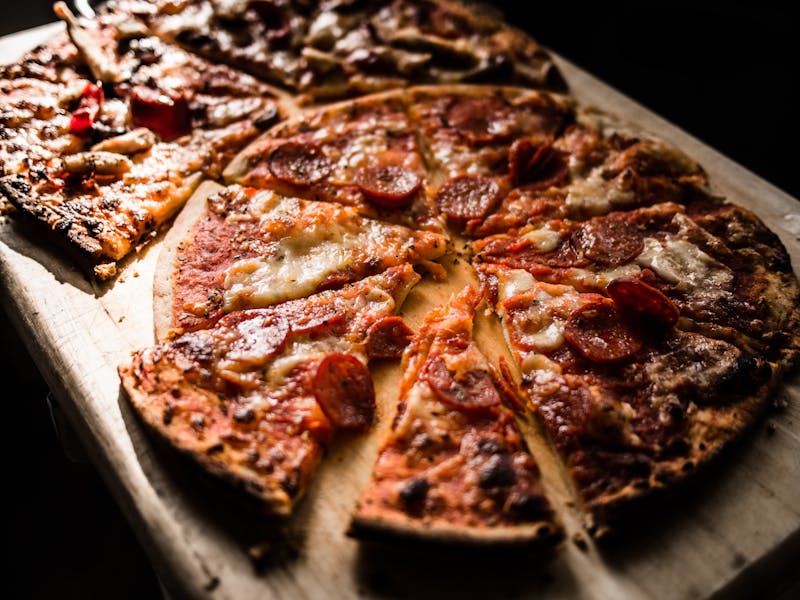
Pizza is one of the world’s most recognizable foods, but the word covers a wide range of products and expectations. From frozen supermarket discs to wood-fired Neapolitan pies, “pizza” can mean very different things. This guide focuses on what is usually called authentic Italian pizza: its definition, how it is made, and where its limits lie.
Understanding these basics helps you set realistic expectations. Authentic Neapolitan pizza, for example, follows specific rules (ingredients, dough process, oven temperature, baking time). Other Italian and international styles are no less valid—they simply pursue different goals. This page is for readers who want to distinguish styles and compare them fairly, without marketing claims. It is not aimed at selling a particular product or restaurant; it is aimed at clarity. If you are looking for quick recipes or delivery tips, our recipes and guide sections offer more practical steps.
1. What “Authentic Italian Pizza” Means
In everyday language, “authentic” often suggests “better” or “original.” In a technical sense, authentic Italian pizza usually refers to styles that follow defined traditions and, in some cases, official specifications. The best-known standard is Neapolitan pizza (pizza napoletana), which has been recognized by UNESCO as intangible cultural heritage and is codified by the Associazione Verace Pizza Napoletana (AVPN).
AVPN rules cover dough (flour type, hydration, leavening, rest time), sauce (e.g. San Marzano tomatoes, minimal processing), cheese (e.g. mozzarella di bufala or fior di latte), and baking (wood-fired oven at very high temperature, short baking time). The result is a soft, puffy rim (cornicione), a thin center, and characteristic “leopard” spotting on the crust. Other Italian styles—Roman, Sicilian, or regional variants—have their own traditions and are not “inauthentic”; they are different. When we speak of “authentic Italian pizza” here, we mean primarily the Neapolitan tradition and, where useful, how it relates to these other styles.
2. How Dough and Baking Work
Quality pizza starts with dough. Flour (typically Italian Type 00 with moderate protein), water, salt, and yeast are combined and kneaded; then the dough is left to ferment. Long, cold fermentation (e.g. 24–72 hours in the refrigerator) develops flavor and makes the dough easier to shape. Room-temperature fermentation is faster but yields a different flavor profile. Hydration (the ratio of water to flour) and kneading affect structure: too little development and the dough may tear; too much and it can become tough.
Baking is the other half of the equation. Traditional Neapolitan pizza is baked in a wood- or gas-fired oven at very high temperatures (around 430–480 °C). The pizza spends only about 60–90 seconds in the oven, which puffs the rim and chars it slightly while keeping the center soft. Home ovens rarely exceed 250–280 °C, so home bakers use longer baking times and often pizza stones or steel to improve bottom heat. Results can be very good but are not identical to a professional Neapolitan oven. Resources like fornohouse.com go deeper into oven types and techniques.
3. Why This Style Appeals
Well-made Neapolitan-style pizza offers a clear set of advantages: a soft, airy crumb, a thin center that does not overwhelm the toppings, and a quick bake that keeps ingredients fresh and distinct. The simplicity of the recipe—good flour, tomatoes, cheese, basil, olive oil—means that quality of ingredients is easy to notice. For many people, the experience is also about craft and tradition: knowing that the process and ingredients follow a recognized standard adds to the appeal.
That does not mean other pizzas are “worse.” Thicker bases, different cheeses, or longer baking times serve different preferences and contexts. The benefit of understanding the Neapolitan standard is that you can tell what you are getting and what you are not—and choose accordingly.
4. Limits, Drawbacks, and Practical Reality
Authentic Neapolitan pizza has real constraints. It requires the right flour, suitable tomatoes and cheese, and an oven that can reach high temperatures. At home, replicating that environment is difficult and often expensive. Even with a pizza steel or stone, home results will differ from a professional wood-fired oven. So “authentic” in the strict sense is mostly a professional or dedicated hobbyist domain.
Other drawbacks are practical. True Neapolitan pizza is best eaten soon after baking; it does not travel or reheat as well as thicker, sturdier styles. Dietary needs (e.g. gluten-free, vegan) are harder to meet within strict tradition, though many pizzerias offer alternatives. Finally, “authentic” can be used as a marketing term without any real adherence to standards; so claims alone are not a guarantee of quality. Checking ingredients, process, and (where applicable) certifications is more reliable than labels.
5. Comparison with Other Styles
Neapolitan pizza sits alongside other legitimate traditions. Roman pizza (e.g. pizza al taglio) is often thicker, rectangular, and baked in a different way. American-style pizza varies widely—New York, Chicago deep dish, and countless local variants—each with its own rules and fans. Frozen and delivery pizza prioritize shelf life, transport, and cost; they are not trying to be Neapolitan, and comparing them directly is often misleading.
A useful approach is to judge each style by what it aims to do. If you want a quick, sturdy slice or a thick, filling pie, Neapolitan is not necessarily the right benchmark. If you want the soft, fast-baked, ingredient-led experience that the Neapolitan standard describes, then knowing that standard helps you find it. Sites such as pizzascraft.com and pizzatip.com offer more on technique and home baking.
6. Summary and What to Take Away
Authentic Italian pizza, in the sense used here, is a defined style with clear rules: specific ingredients, dough process, and high-temperature, short-duration baking. It has distinct advantages—flavor, texture, and a focus on few, good ingredients—and distinct limits: it is demanding to make at home and not always the best fit for every situation or diet.
Understanding this helps you choose what to expect and where to look. Whether you cook at home or order out, clarity about styles and standards is more useful than vague “authenticity” claims. For more detail, see our FAQ and guide. We do not recommend specific brands or restaurants; we aim to explain the landscape so you can decide for yourself.
Frequently Asked Questions
Short, factual answers.
What exactly is “authentic” Neapolitan pizza?
It is pizza made according to codified rules (e.g. AVPN): specific dough ingredients and process, San Marzano–style tomatoes, mozzarella, high-temperature wood-fired oven, and very short baking time. The result is a soft, puffy rim and thin center with light charring.
Can I make it at home without a wood-fired oven?
You can make excellent pizza at home with a pizza stone or steel and a hot oven, but the result will not be identical to a professional Neapolitan bake. Temperature and heat distribution differ; longer baking and different textures are normal.
Which flour should I use?
Italian Type 00 flour with around 12–13% protein is the standard for Neapolitan-style dough. It gives a soft, extensible dough that bakes with a tender crumb. Other flours work for other styles.
How long should dough rest?
Traditional Neapolitan recipes often use 24–72 hours of cold fermentation. Shorter room-temperature rests (a few hours) are possible but yield a different flavor and structure. Longer cold rest generally improves flavor and workability.
Is Neapolitan pizza “healthier” than other pizza?
Not by definition. It is often thinner and simpler in toppings, which can mean less total calories per slice, but that depends on portion size and ingredients. No style of pizza is universally “healthy”; context and balance matter.
Does Cokes Pizza recommend specific pizzerias or brands?
No. This site is for explanation and comparison only. We do not endorse or rate restaurants or products; we aim to help you understand standards and styles so you can choose for yourself.
Related Resources
- pizzascraft.com – Craft and technique for dough and baking.
- fornohouse.com – Oven types and baking environments.
- pizzatip.com – Practical tips for home pizza.
- nightspizza.com and urbanpizzas.com – Other perspectives on pizza culture and style.